
Planning your pilgrimage to Vaishno Devi? Timing can make or break your spiritual journey to this sacred shrine nestled in the Trikuta Mountains. This guide helps first-time pilgrims, experienced devotees, and family groups choose the best time to visit Vaishno Devi for a comfortable and memorable experience.
Any problem you can connet with travelwithme, We’ll break down the seasonal weather patterns that affect your trek, compare peak versus off-peak travel periods to help you avoid crowds while still enjoying good conditions, and provide a detailed monthly breakdown so you can pick the perfect window for your visit. You’ll also discover the ideal daily timing strategy to start your journey and learn about special religious events that might influence your travel dates. Vaishno Devi Tour Packages
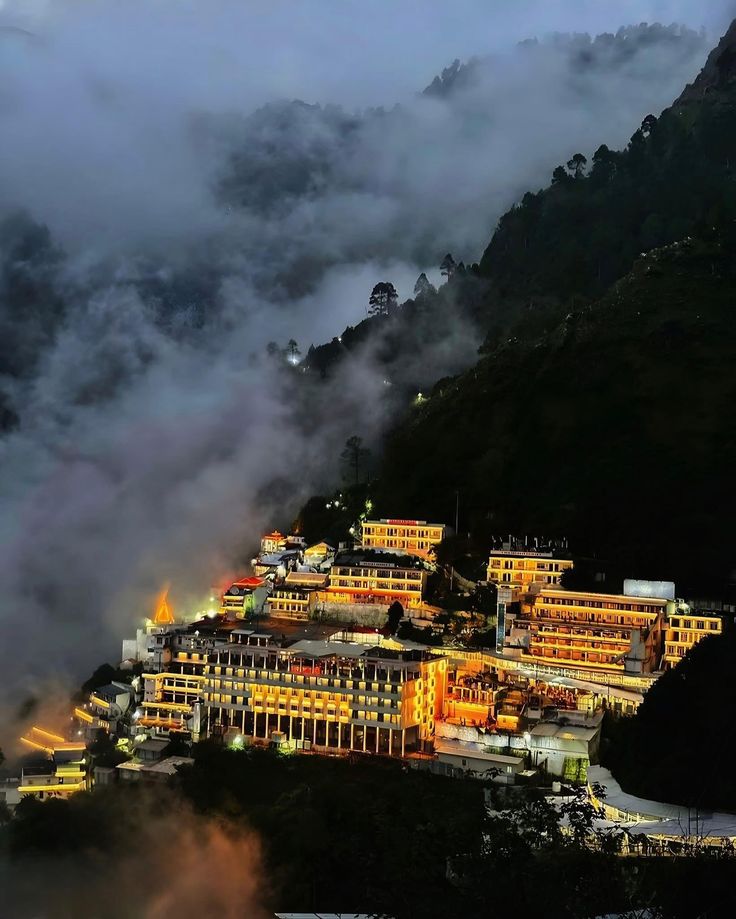
Seasonal Weather Patterns at Vaishno Devi
Spring Climate Benefits and Comfortable Temperatures
Spring brings the most delightful weather conditions to Vaishno Devi, making it a favorite time for pilgrims. March through May offers temperatures ranging from 15°C to 25°C, creating perfect hiking conditions. The crisp morning air energizes your journey while afternoons remain pleasantly warm without being oppressive. Fresh mountain breezes provide natural cooling as you climb the 13-kilometer trek.
The season showcases blooming rhododendrons and wildflowers along the mountain paths, transforming your spiritual journey into a visual feast. Clear skies dominate most spring days, offering spectacular views of the surrounding Trikuta Mountains. Rain showers are minimal and brief, rarely disrupting travel plans or creating dangerous trail conditions.
Spring’s moderate humidity levels prevent excessive sweating during the uphill climb, allowing pilgrims to maintain comfortable energy levels throughout their journey. The stable weather patterns make it easier to plan your visit, with fewer chances of sudden weather changes that could affect helicopter services or cause trail closures.
Summer Heat Challenges and Crowd Management
Summer temperatures at Vaishno Devi can reach 35°C during peak afternoon hours, creating challenging conditions for the steep mountain trek. The intense heat makes early morning or late evening departures essential for comfortable travel. Dehydration becomes a serious concern as the physical demands of climbing combine with high temperatures and strong mountain sun.
Peak summer months bring massive crowds, with daily visitor numbers often exceeding 50,000 pilgrims. Queue times extend significantly, sometimes reaching 8-12 hours for darshan. Accommodation becomes extremely difficult to secure, with most hotels and guesthouses booking up weeks in advance. The combination of heat and crowds creates stressful conditions that can detract from the spiritual experience. And for Booking Best vaisho Devi Packages you can contact to travelwithme
| Summer Challenge | Impact Level | Mitigation Strategy |
| High temperatures | Severe | Start journey before sunrise |
| Heavy crowds | Severe | Book accommodations early |
| Long queue times | Moderate | Consider helicopter services |
| Limited water availability | High | Carry extra water bottles |
The intense UV radiation at high altitude increases sunburn risk, making proper sun protection absolutely necessary.
Monsoon Risks and Travel Safety Concerns
Monsoon season from July to September brings significant safety challenges to the Vaishno Devi pilgrimage route. Heavy rainfall creates slippery, treacherous trail conditions that increase the risk of falls and injuries. Landslides become a real threat along the mountain paths, sometimes forcing complete route closures for days.
Flash flooding in lower areas can trap pilgrims and disrupt transportation services. The combination of rain and thousands of daily visitors turns the walking paths into muddy, difficult terrain. Visibility drops dramatically during heavy downpours, making navigation dangerous, especially for first-time visitors unfamiliar with the route.
Helicopter services frequently suspend operations due to poor weather conditions, leaving pilgrims stranded or forced to take the challenging trek in dangerous conditions. Electrical storms pose additional risks in the exposed mountain environment. The humidity levels soar, making the physical exertion of climbing even more exhausting.
Medical emergencies increase during monsoon months due to slips, falls, and weather-related health issues. Emergency evacuation becomes complicated when weather conditions prevent helicopter access to remote areas along the pilgrimage route.
Winter Weather Advantages and Clear Mountain Views
Winter months from December to February offer the clearest, most spectacular mountain views of the entire year. The crisp, dry air provides exceptional visibility, allowing pilgrims to see for miles across the snow-capped peaks. Temperatures drop to 5°C to 15°C during the day, creating invigorating conditions perfect for hiking without overheating.
Crowd levels decrease significantly during winter, reducing queue times and making the overall experience more peaceful and meditative. Accommodation becomes readily available at reasonable rates, and the slower pace allows for deeper spiritual reflection. The absence of summer heat eliminates concerns about dehydration and heat exhaustion.
Snow occasionally dusts the higher elevations, creating breathtaking scenery that transforms the pilgrimage into a magical experience. The cold weather requires proper layered clothing, but the physical exertion of climbing helps maintain comfortable body temperature. Clear night skies offer incredible stargazing opportunities for pilgrims staying overnight in the mountains.
Winter’s stable weather patterns ensure reliable helicopter services and consistent trail conditions, making trip planning much more predictable than during monsoon months.This is also the Best Time to visit vaishno devi.
Peak vs Off-Peak Travel Timing
Festival Season Crowds and Booking Requirements :
Vaishno Devi becomes a bustling hub during major Hindu festivals, with Navratri being the absolute peak. During these nine sacred days in March-April and September-October, the shrine witnesses over 100,000 devotees daily. The entire Trikuta Hills transforms into a sea of pilgrims, creating an electric spiritual atmosphere that’s both overwhelming and deeply moving. During the time of Navratri Best time to Visit Vaishno Devi and enjoy the best time of life .
Diwali, Dussehra, and Janmashtami also draw massive crowds, though slightly more manageable than Navratri. During these periods, accommodation prices skyrocket by 200-300%, and you’ll need to book helicopter services at least 45 days in advance. The railway booking system becomes equally competitive, with Tatkal tickets selling out within minutes.
Festival seasons require military-precision planning. Register online for the yatra slip at least 30 days early, as walk-in registrations face 8-12 hour waiting times. Hotel bookings in Katra should be secured 60 days ahead, especially for decent properties. The upside? The collective devotional energy during festivals creates an unparalleled spiritual experience that many pilgrims describe as life-changing.
Off-Season Cost Savings and Peaceful Experience
January through March (excluding festival dates) and July through August offer the sweet spot for budget-conscious and spiritually-focused travelers. Hotel tariffs drop by 40-60%, and helicopter tickets become readily available at standard rates. The reduced crowds mean shorter darshan queues – often just 2-3 hours instead of the typical 8-12 hours during peak season. During this time you also enjoy the snowfall ,this is the Best time to Visit vaishno devi ,
Monsoon months (July-August) present unique advantages despite weather challenges. The landscape becomes lush green, waterfalls cascade down the mountains, and the spiritual ambiance feels more intimate with fewer pilgrims around. Most importantly, you can actually hear yourself pray instead of being swept along in crowd management.
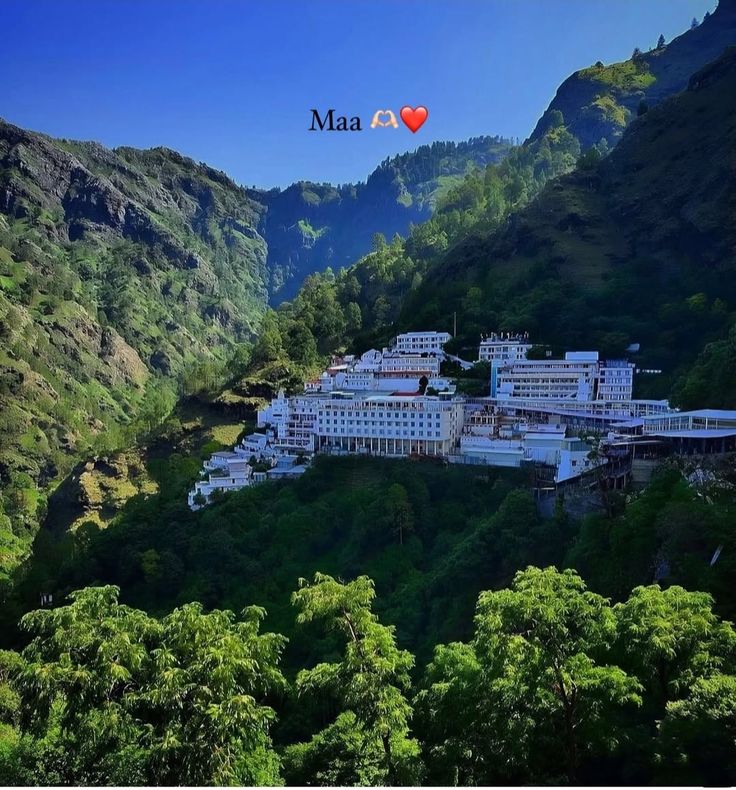
Winter months offer crystal-clear mountain views and crisp air that makes the trek surprisingly enjoyable. The lack of festival rush allows for genuine interaction with local shopkeepers and pony handlers, enriching your overall experience. Food prices at roadside stalls remain reasonable, and finding parking spots in Katra becomes stress-free.
Weekend vs Weekday Visit Benefits :
Weekends consistently draw 40-50% more pilgrims than weekdays, primarily from nearby states like Punjab, Haryana, and Delhi. Friday nights see the biggest influx as people arrive for weekend visits, creating bottlenecks at registration counters and accommodation check-ins.
Tuesday through Thursday emerge as the golden window for tranquil visits. The trek path feels spacious, allowing for meditation breaks at scenic spots without feeling rushed. Restaurant service improves dramatically with shorter wait times and better food quality when kitchens aren’t overwhelmed.
Weekend warriors often rush through the darshan experience due to time constraints, while weekday visitors can savor the spiritual journey. Local transport services run more frequently on weekends but become overcrowded. Weekday travelers enjoy comfortable bus rides and can even strike up conversations with fellow pilgrims instead of standing shoulder-to-shoulder in packed vehicles.
Consider extending weekday visits to explore nearby attractions like Ardhkuwari Cave or Bhawan’s meditation halls without tourist crowds disrupting the peaceful atmosphere.
Monthly Breakdown for Optimal Planning
March to May Spring Advantages
Spring brings the most comfortable weather conditions for pilgrims visiting Vaishno Devi. Temperatures hover between 15-25°C, creating perfect hiking conditions without extreme heat or cold. The snow begins melting, revealing clearer paths and stunning mountain vistas. March offers particularly pleasant weather with cool mornings and mild afternoons, making the 13-kilometer trek more manageable.
April represents the sweet spot for many travelers. The weather stays consistently pleasant, wildflowers start blooming along the trek route, and accommodation rates remain reasonable compared to peak summer months. May can get warmer, especially during midday, but early morning starts help avoid the heat.
Key Benefits:
- Ideal trekking temperatures
- Clear mountain views
- Moderate crowd levels
- Reasonable accommodation rates
- Extended daylight hours
June to August Monsoon Considerations
Monsoon season transforms the entire Vaishno Devi experience. This is the Best time to visit vaishno devi,Heavy rainfall creates slippery, muddy paths that significantly increase trekking difficulty and safety risks. The trek becomes more challenging, especially for elderly pilgrims and families with children. Rain can start suddenly and continue for hours, making proper rain gear essential.
Despite challenges, monsoon months offer unique advantages. The landscape turns lush green, waterfalls become more spectacular, and the spiritual atmosphere intensifies with fewer crowds. Many devotees believe monsoon visits carry special blessings. However, landslides occasionally disrupt transportation, and helicopter services frequently get canceled due to poor visibility. If you like Hot season june to august is the best time to visit vaishno Devi.
Monsoon Reality Check:
- Trek difficulty increases dramatically
- Accommodation prices drop significantly
- Helicopter services often suspended
- Stunning natural beauty
- Fewer crowds mean peaceful darshan
September to November Post-Monsoon Benefits
Post-monsoon months deliver exceptional conditions for Vaishno Devi pilgrimage. September marks the beginning of clear, crisp weather with temperatures ranging from 20-30°C. The monsoon washes away dust, leaving crystal-clear mountain air and spectacular views. October stands out as perhaps the best month /Best time to visit vaishno devi overall, offering perfect weather, comfortable temperatures, and stunning autumn colors.
November brings cooler temperatures but remains highly favorable for trekking. The weather stays dry and pleasant, making it ideal for extended photography sessions and leisurely walks. Post-monsoon months also coincide with several important festivals, adding cultural richness to your spiritual journey.
Why Choose Post-Monsoon:
- Crystal clear mountain views
- Comfortable trekking conditions
- Festive atmosphere
- Moderate crowd levels
- Excellent photography opportunities
December to February Winter Experience
Winter transforms Vaishno Devi into a completely different pilgrimage experience. Temperatures drop to 5-15°C, with occasional snowfall creating magical scenery. The trek becomes more challenging due to cold conditions,but also Best time to Visit Vaishno Devi, but many pilgrims find winter visits deeply spiritual and peaceful. Early morning starts become crucial to avoid extreme cold, and warm clothing becomes non-negotiable.
December offers mild winter conditions with clear skies and spectacular mountain views. January brings the coldest temperatures and possible snow, creating breathtaking landscapes but demanding proper preparation. February starts warming up slightly while maintaining winter’s serene atmosphere.
Winter accommodation rates drop significantly, making it budget-friendly for pilgrims. The reduced crowds mean more intimate darshan experiences and peaceful meditation opportunities.
Winter Essentials:
- Heavy winter clothing required
- Significantly fewer crowds
- Lower accommodation costs
- Possible snow and ice on paths
- Deeply spiritual atmosphere
Special Festival Months and Religious Significance
Navratri periods (March-April and September-October) bring massive crowds but incredible spiritual energy. During these nine-day festivals, the entire region buzzes with devotional activities, special prayers, and cultural programs. Booking accommodation becomes extremely challenging, and trek paths get crowded, but the collective devotional atmosphere creates unforgettable experiences.
Chaitra Navratri (March-April) coincides with pleasant spring weather, making it popular among pilgrims. Sharad Navratri (September-October) offers post-monsoon clarity and comfortable temperatures. Both periods require advance planning and patience due to increased wait times for darshan.
Other significant months include Shravan (July-August) when many Shiva devotees visit despite monsoon challenges, and Kartik (October-November) known for its spiritual significance. Each festival month brings unique rituals, special offerings, and heightened spiritual energy that many pilgrims find deeply moving.
Festival Month Planning: Best Time to visit vaishno Devi
- Book accommodations months in advance
- Expect longer wait times for darshan
- Experience incredible devotional atmosphere
- Higher costs for everything
- Participate in special religious ceremonies
Daily Timing Strategy for Your Journey
Early Morning Start Benefits for Comfortable Trek
Starting your Vaishno Devi journey between 4 AM and 6 AM gives you massive advantages that most pilgrims overlook. The cool morning air makes the 13-kilometer trek feel significantly easier on your body. Your energy levels are naturally at their peak after a good night’s rest, and you’ll find yourself covering ground faster than expected.
The early hours bring a magical atmosphere to the mountain path. You’ll witness the sunrise painting the Trikuta Hills in golden hues while experiencing the spiritual energy that builds as fellow devotees begin their ascent. Most importantly, you’ll reach the cave shrine by mid-morning when darshan queues are shorter and more manageable.
Weather conditions work in your favor during these early hours. Temperatures remain pleasant, humidity stays low, and you’ll avoid the intense sun that can drain your stamina later. The mountain air feels crisp and refreshing, making every step more comfortable than trudging uphill under blazing heat.
Afternoon Heat Avoidance and Energy Conservation
The period between 11 AM and 4 PM presents the biggest challenge for trekkers. Mountain temperatures can soar above 35°C during summer months, creating potentially dangerous conditions for pilgrims unprepared for the heat intensity.
Your body loses water rapidly through perspiration during these peak heat hours. Even experienced trekkers find themselves struggling with fatigue, headaches, and decreased motivation. The rocky terrain absorbs and radiates heat, making the path feel like walking through an oven.
Smart pilgrims use this time strategically. If you started early and completed your darshan, afternoon hours are perfect for resting at Bhavan or Adhkuwari. Many accommodation facilities offer comfortable waiting areas where you can recharge before your descent.
For those who must travel during afternoon hours, carry extra water, wear light-colored clothing, and take frequent shade breaks. The helicopter service becomes particularly valuable during these hours, offering a quick alternative to avoid heat exhaustion.
Evening Return Planning and Safety Measures
Planning your return journey requires careful timing and safety awareness. The descent typically takes 3-4 hours, so starting by 3 PM ensures you reach Katra before darkness falls completely.
Evening temperatures drop quickly in the mountains, and what feels comfortable during the day can become surprisingly cold after sunset. Pack a light jacket or shawl, especially during monsoon and winter months when temperatures can plummet unexpectedly.
The path lighting improves significantly after dark, but uneven terrain still poses risks. Many pilgrims underestimate how tired their legs become during descent, leading to slips and minor injuries. Walk slowly, use handrails where available, and consider using a walking stick for added stability.
Battery packs for your phone become critical during evening hours. You’ll need reliable communication for emergencies and navigation apps if you lose the main path. Local vendors sell portable chargers, but bringing your own ensures you stay connected throughout your journey.
Emergency contacts should include local police stations and medical facilities in Katra. Most importantly, travel with companions when possible and inform someone reliable about your expected return time.
Special Events and Religious Calendar Considerations
Navratri Festival Peak Times and Arrangements
The nine days of Navratri transform Vaishno Devi into a spiritual epicenter, drawing millions of devotees from across the globe. During this period, especially in March-April (Chaitra Navratri) and September-October (Sharad Navratri), the temple experiences its heaviest foot traffic. Crowds can reach up to 50,000 visitors per day, making advance planning absolutely crucial.
Online registration becomes mandatory during Navratri, with slots filling up weeks in advance. The shrine board implements special darshan timings, often extending hours from 5:00 AM to 2:00 AM to accommodate the massive influx. Battery car services run at maximum capacity, but expect significant delays even with advance bookings.
Key Navratri Planning Tips:
- Book accommodation 2-3 months ahead
- Register online for darshan slots immediately when bookings open
- Consider visiting on weekdays during the festival for slightly reduced crowds
- Prepare for 6-8 hour waiting times even with advance reservations
- Pack extra food and water as facilities get overwhelmed
Diwali Season Spiritual Significance
The Diwali period brings a unique spiritual atmosphere to Vaishno Devi, with the temple beautifully illuminated and decorated. This five-day festival typically falls in October or November, creating perfect weather conditions for the pilgrimage. The spiritual energy during this time is palpable, with special aartis and celebrations enhancing the divine experience.
Crowd levels during Diwali week are moderately high but more manageable than Navratri. The temple organizes special lighting ceremonies and extended darshan hours. Many families choose this time for their pilgrimage, combining the festival celebrations with the sacred journey.
Local Religious Events and Their Impact on Crowds
Several regional festivals significantly impact visitor numbers throughout the year. Katra’s local celebrations like Baisakhi in April bring substantial crowds, particularly from Punjab and neighboring states. The annual Mata Vaishno Devi Shrine Board’s special events, including the Prakat Utsav (manifestation day) celebrations, create surge periods with increased devotee presence.
Weekends during any religious month see 40-60% higher visitor numbers compared to weekdays. School holidays and government holidays compound this effect, creating perfect storm conditions for overcrowding. The shrine board’s special discount schemes for senior citizens and differently-abled visitors often coincide with these peak periods.Helicopter booking
Festival Impact Calendar:
- High Impact: Navratri, Diwali, Karva Chauth, Janmashtami ,Best time to visit vaishno Devi
- Moderate Impact: Holi, Baisakhi, Raksha Bandhan, Dussehra
- Local Events: Regional fairs, school vacation periods, long weekends
Conclusion
Religious calendar considerations play a vital role in determining your Vaishno Devi experience. While festival periods offer enhanced spiritual ambiance and special ceremonies, they also bring significant crowds and logistical challenges. Planning around these events requires balancing your spiritual preferences with practical considerations like accommodation availability, travel costs, and waiting times. The key lies in understanding these patterns and making informed decisions based on your priorities and tolerance for crowds.
The weather at Vaishno Devi plays a huge role in shaping your experience, with each season bringing its own advantages and challenges. Spring and autumn emerge as the sweet spot for most pilgrims, offering comfortable temperatures and clear mountain views without the extreme crowds of peak season. The summer months can get quite busy but provide easier trekking conditions, while winter visits offer a serene spiritual atmosphere despite the cold and potential weather delays.The best time to visit Vaishno Devi depends on weather, safety, and crowd preference.
Planning your daily schedule around early morning departures and considering the religious calendar can make all the difference in your pilgrimage experience. Whether you choose the bustling energy of peak season or the peaceful solitude of off-peak months, timing your visit right means less waiting, better weather, and more meaningful moments at this sacred destination. Check the weather forecast before you go, pack accordingly for the mountain climate, and remember that the best time to visit Vaishno Devi is ultimately when your heart calls you there.